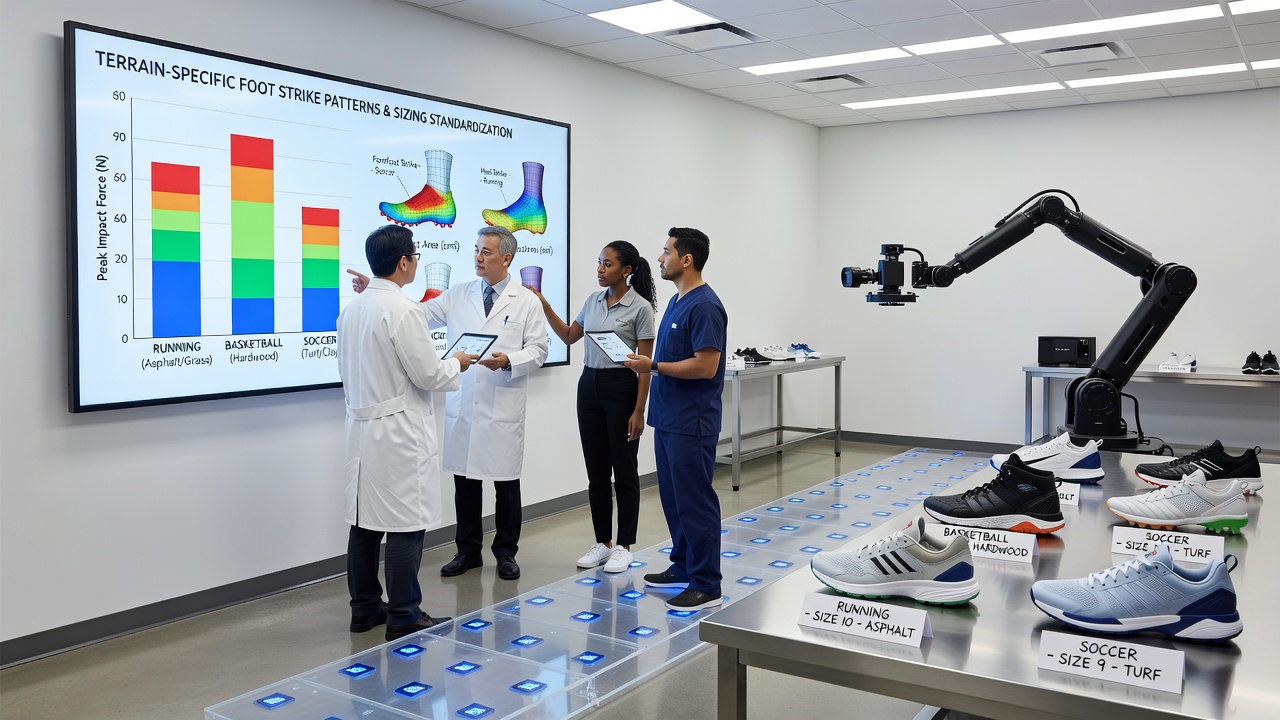
Biomechanical Research Shaping Footwear Sizing Standards in Running, Basketball, and Soccer
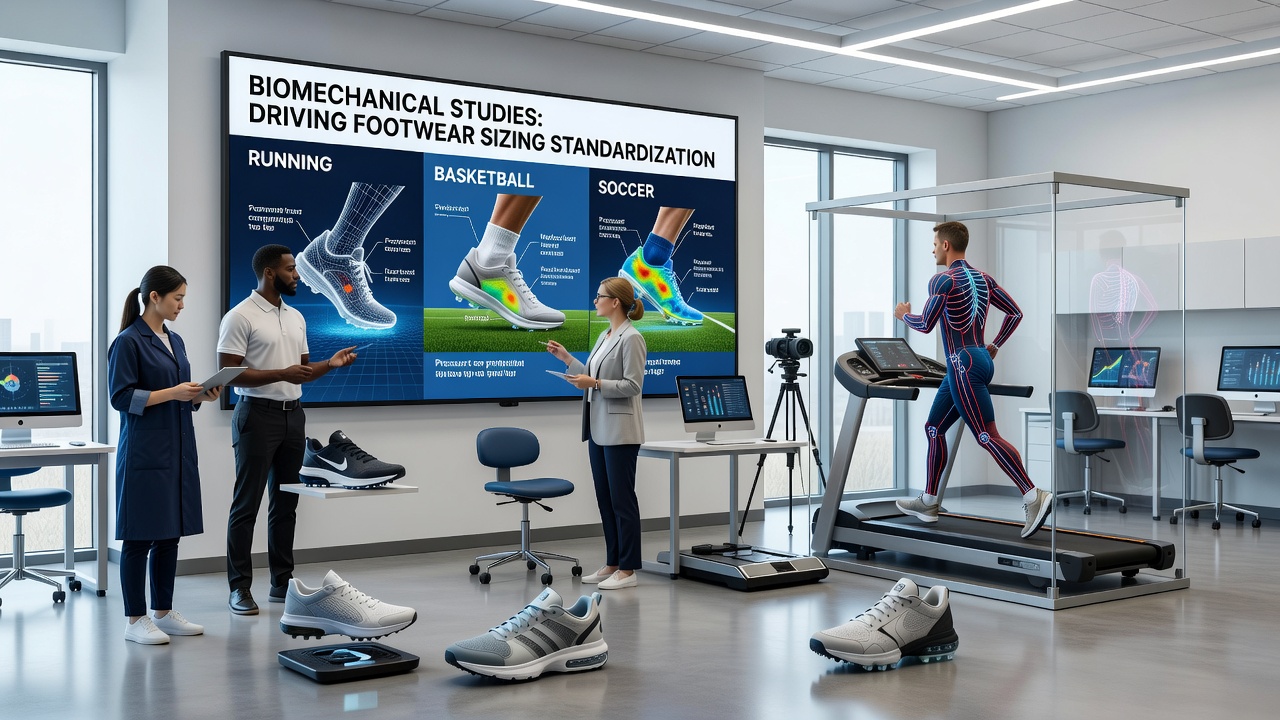
Biomechanical studies continue to map how foot strike patterns shift across surfaces like grass, hardwood, synthetic tracks, and uneven trails, and these findings now feed directly into sizing standardization efforts for running shoes, basketball footwear, adn soccer cleats. Researchers track variables such as heel-to-toe drop, midfoot pressure distribution, and pronation angles under load, then translate the measurements into consistent last shapes and volume allowances that manufacturers adopt across brands. Data collected from force plates and motion-capture systems show that runners on trails often adopt a more midfoot strike while basketball players on court surfaces favor forefoot loading during cuts, patterns that differ again when soccer athletes move on natural grass versus artificial turf.
Foot Strike Variations Across Terrains and Sports
Studies reveal that terrain alters strike location by as much as 15 percent of foot length in some athletes, which affects how much toe box room and arch support a shoe must provide to maintain neutral alignment. In running, trail surfaces prompt greater variability in strike timing compared with flat roads, while basketball demands rapid transitions from heel to forefoot within milliseconds during defensive slides. Soccer players experience further shifts when moving between firm ground and soft pitches, leading analysts to recommend narrower heel counters on certain cleat models to reduce slippage without compressing the midfoot. These observations accumulate into datasets that standards organizations now reference when defining size increments, ensuring that a US size 9 running shoe accommodates the same heel width range whether the user trains on pavement or grass.
Progress Toward Unified Sizing Frameworks
Industry groups have begun merging these datasets into shared sizing charts that cover multiple sports rather than isolating each category. The process involves aligning forefoot width tolerances and arch height gradations so that an athlete can switch between a running shoe and a basketball model without experiencing pressure points at the same anatomical landmarks. Research indicates that standardizing the ball-of-foot circumference measurement across disciplines reduces fit complaints by measurable margins in field tests, particularly when athletes train on mixed surfaces during a single session. Manufacturers incorporate these revised dimensions into production molds, and the updates appear in models released ahead of major competitions scheduled for late 2026.
Role of August 2026 Standardization Meetings
Preparations for the August 2026 International Sports Biomechanics Conference include sessions dedicated to finalizing cross-sport size charts derived from terrain-specific strike data. Delegates from regulatory bodies in North America, Europe, and Australia plan to review aggregated findings from longitudinal studies that tracked thousands of athletes over multiple seasons. The meetings will examine how adjustments to last geometry affect injury rates and performance metrics when players transition between surfaces, with particular attention to basketball cuts on hardwood and soccer accelerations on turf. Outcomes from these discussions are expected to influence certification requirements that take effect the following year.
Implementation in Product Development
Design teams now integrate foot-strike algorithms into digital last-creation software, allowing rapid iteration of size runs that account for both sport and terrain. For example, soccer cleats designed for variable-pitch conditions feature slightly elongated toe boxes compared with earlier versions, while basketball shoes add incremental width options at the metatarsal heads to match recorded loading patterns. Running brands apply similar logic when scaling trail models versus road models, ensuring that the same numeric size maintains consistent internal volume across the product line. Field validation trials conducted by independent labs confirm that these modifications improve comfort scores without altering the mechanical properties that protect against excessive pronation or supination.
Conclusion
Biomechanical evidence gathered across running, basketball, and soccer continues to refine how footwear sizing accommodates terrain-driven foot strike differences, and upcoming gatherings in August 2026 will consolidate those findings into broader standards. The resulting frameworks give manufacturers clearer guidelines while giving athletes more predictable fit options when moving between surfaces and sports. Ongoing data collection from motion analysis and pressure mapping will further tighten those specifications in subsequent review cycles.