17 Jun 2026
Cross-Disciplinary Vibration Mapping in Handles for Precision Implements Used by Racket Athletes, Combat Specialists, and Alpine Competitors
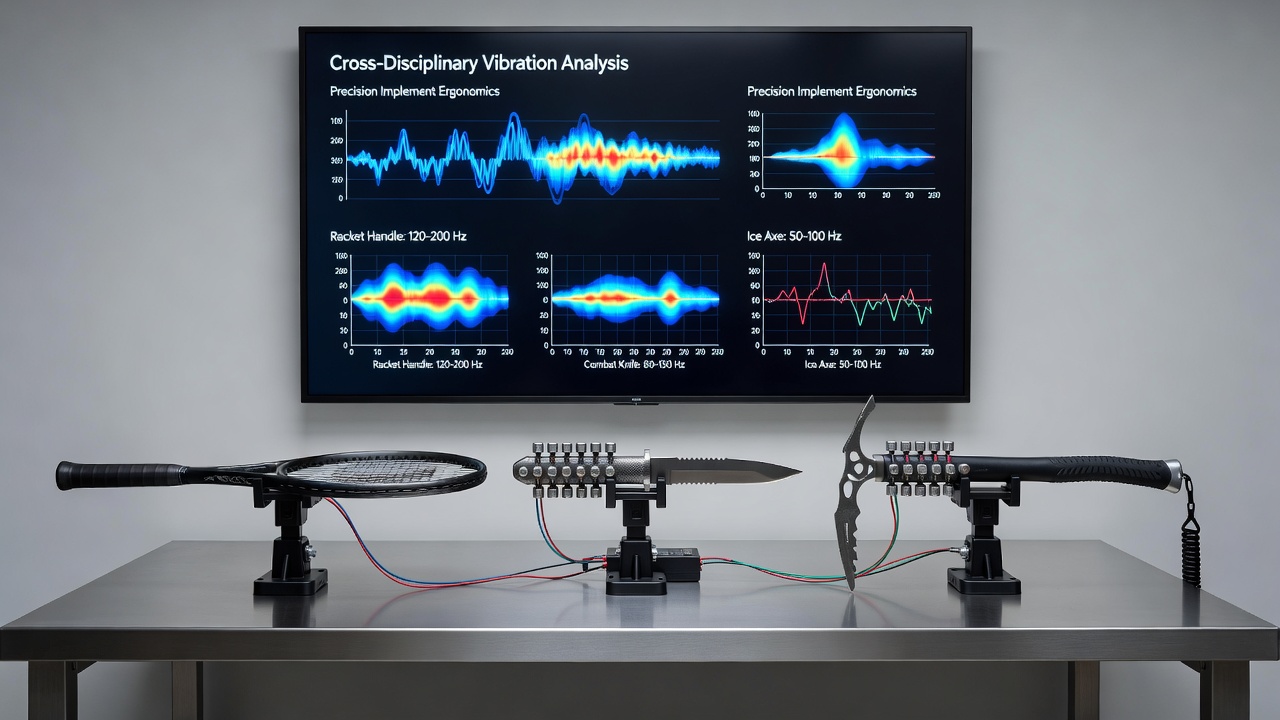
Precision implements across racket sports, combat disciplines, and alpine activities share a common engineering challenge where handle vibrations affect user control and performance consistency, and researchers have applied vibration mapping techniques to quantify these patterns in comparable ways. Data collected from accelerometers embedded in handle structures reveal frequency distributions that range from 20 Hz to 500 Hz depending on impact forces and material compositions, while cross-sport comparisons highlight overlapping resonance zones that engineers address through similar damping strategies.
Core Principles of Vibration Mapping Techniques
Engineers mount triaxial sensors at multiple points along handle grips to capture acceleration vectors during controlled strikes or pole plants, and the resulting datasets undergo Fourier transformation to isolate dominant frequencies that transmit through the implement shaft. Studies conducted at institutions such as the University of Calgary's Human Performance Laboratory demonstrate that handle geometry alters vibration transmission paths, whereas material layering with viscoelastic polymers reduces peak amplitudes by measurable percentages across different implement categories. Mapping protocols standardize impact velocities at 15 meters per second for racket and combat tools while using 8 meters per second for ski pole simulations to enable direct comparisons.
Applications in Racket Sports Handles
Tennis rackets, badminton racquets, and squash implements generate distinct vibration signatures when strings contact balls at varying angles, and mapping reveals that grip position shifts nodal points along the handle axis. Data from laboratory tests show that carbon fiber composites transmit higher-frequency vibrations compared with hybrid wood laminates, prompting manufacturers to integrate counter-vibration inserts at specific distances from the butt cap. Athletes in these sports experience reduced forearm muscle activation when handles incorporate mapped damping zones, according to electromyography readings paired with vibration sensors.
Adaptations for Combat Implement Handles
Fencing blades, kendo shinai, and similar precision striking tools produce rapid impulse loads during engagement sequences, and vibration mapping identifies handle flex modes that influence tip accuracy after each contact. Research teams have documented how leather-wrapped or rubberized grips modify energy dissipation compared with bare metal or wood surfaces, while placement of sensors near the guard area captures torsional vibrations unique to edged implements. Calibration protocols developed for these tools align with racket sport methodologies yet account for shorter contact durations that peak at under 10 milliseconds.
Integration with Alpine Competition Equipment
Ski poles and related alpine implements transmit ground reaction forces through handle grips during turns and pole plants, and mapping exercises quantify how snow surface variability introduces broadband vibrations between 50 Hz and 300 Hz. Engineers adjust grip density and shaft taper based on these profiles to limit energy transfer to the wrist joint, and field data collected during June 2026 training camps at high-altitude venues confirmed consistent frequency patterns across multiple snow conditions. Cross-referencing with laboratory results allows designers to apply similar modal analysis techniques used in racket and combat handles.
Cross-Disciplinary Data Synthesis Methods
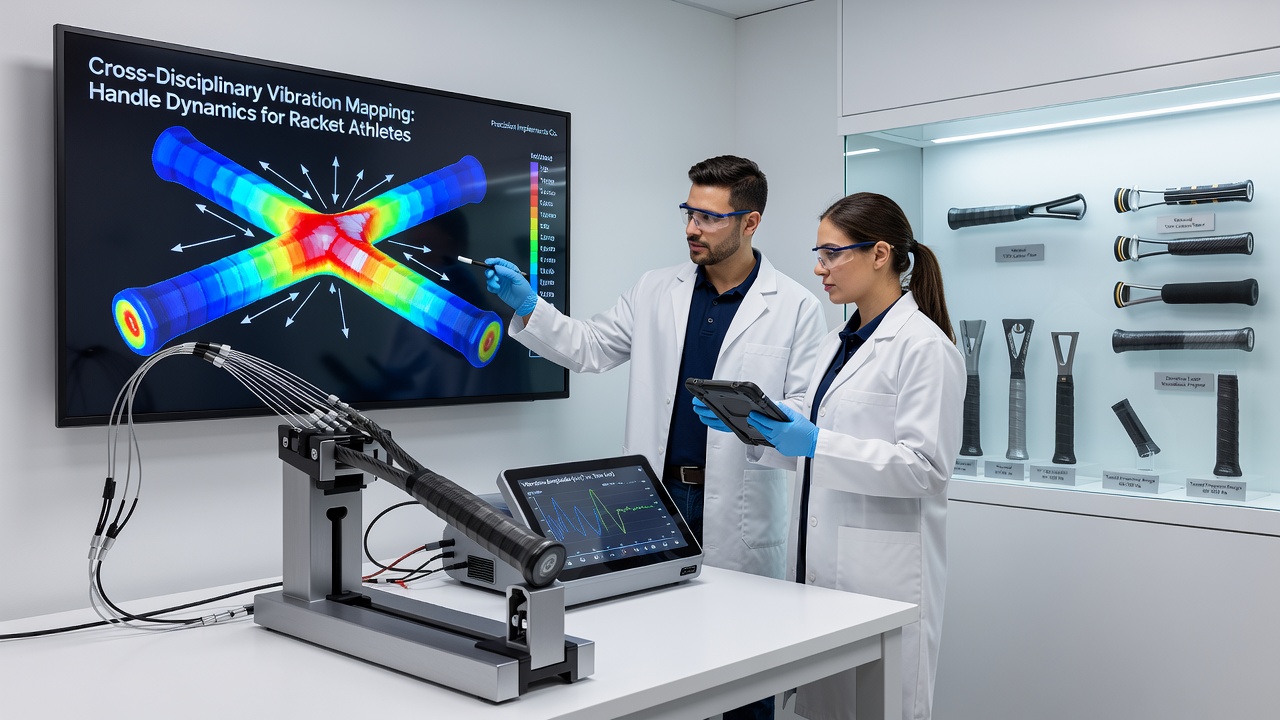
Researchers combine datasets from all three categories by normalizing impact energies and handle lengths, which produces comparative heat maps that highlight shared resonance frequencies around 120 Hz and 280 Hz. Software platforms process raw time-series signals through wavelet analysis rather than simple FFT methods alone, and this approach uncovers transient events that single-sport studies often overlook. Collaborative projects between sports engineering groups in Europe and North America have established open-access repositories where mapped profiles from different implements undergo side-by-side evaluation without proprietary restrictions.
Measurement Standards and Equipment Calibration
International bodies including the International Sports Engineering Association publish guidelines that require sensor sampling rates above 2000 Hz for accurate capture of handle vibrations, and calibration routines use impact hammers to verify system response before each test session. Standards also specify grip force application through instrumented clamps set at 50 Newtons to simulate typical athlete hold patterns across racket, combat, and alpine scenarios. Compliance documentation tracks measurement uncertainty below 5 percent for amplitude readings, which supports reliable transfer of findings between disciplines.
Material and Design Implications
Findings from mapped vibration profiles guide selection of cork, EVA foam, and thermoplastic elastomer inserts placed at anti-nodal locations within handles, and iterative prototyping cycles reduce transmitted energy by 15 to 30 percent according to repeated bench tests. Manufacturers incorporate these modifications without altering overall implement mass distribution, preserving swing weight characteristics valued by athletes. Surface texturing applied after mapping further influences frictional damping at the hand-handle interface during prolonged use.
Future Monitoring and Field Integration
Wireless sensor arrays now transmit real-time vibration data from competition implements to sideline analysis stations, and teams correlate these streams with athlete biometric feedback to adjust grip modifications between rounds or runs. Pilot programs scheduled through late 2026 aim to embed mapping-derived algorithms directly into smart handle prototypes that adapt stiffness on the fly. Such developments build upon established laboratory protocols while extending validation into actual event environments.
Conclusion
Cross-disciplinary vibration mapping establishes quantitative links between handle performance characteristics in racket, combat, and alpine implements through standardized sensor placement, signal processing, and comparative analysis frameworks. Continued refinement of these methods supports equipment designs that address shared mechanical challenges while respecting sport-specific constraints, and ongoing field validations scheduled for upcoming seasons will further align laboratory insights with practical outcomes.