6 Jul 2026
Echoes from Workshops: Artisanal Techniques Merging with Industrial Processes in Crafting Gear for Aquatic, Alpine, and Arena Activities
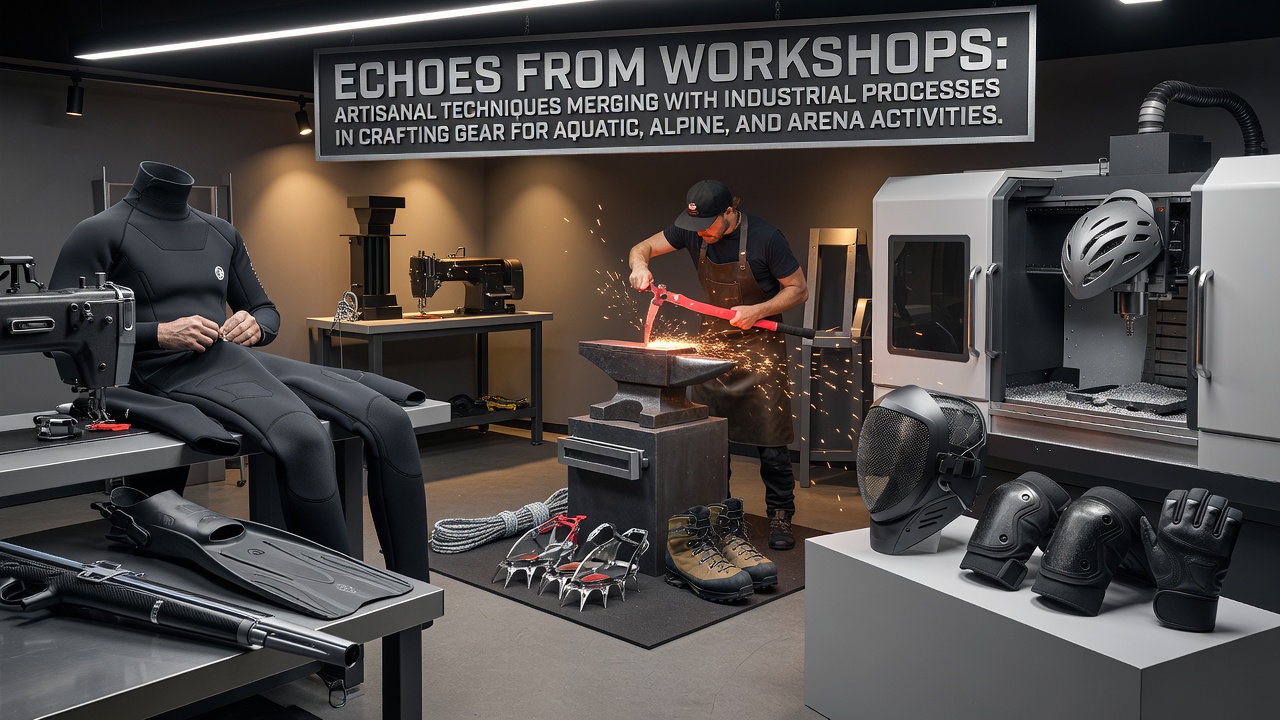
Workshops across multiple regions now blend hand-guided precision with automated production lines to create equipment for swimming, skiing, and indoor court sports, and this integration shows up in specific manufacturing sequences that start with raw material selection and end with final adjustments.
Material Preparation Across Disciplines
Alpine gear production often begins when workers select wood laminates or composite cores by hand before feeding them into CNC routers that cut exact profiles, whereas aquatic items like wetsuits start with neoprene sheets inspected for thickness variations then cut by laser systems that follow patterns derived from traditional templates. Arena equipment such as volleyballs or basketballs follows a similar path where rubber bladders receive manual seam checks before vulcanization presses apply consistent pressure in large batches. Research from the Fraunhofer Institute for Manufacturing Technology indicates that these hybrid steps reduce material waste by measurable margins while preserving tactile feedback that machines alone cannot replicate.
Handcrafting Steps in Modern Lines
Technicians still apply edge finishing to ski edges using files and stones after initial grinding machines complete the base work, and the same principle appears in swim fin production where workers smooth blade tips by hand following injection molding cycles. In arena contexts, racket grips for indoor sports receive individual wrapping and tension adjustments after automated stringing machines set the core pattern. Observers note that these interventions occur at stations positioned between high-speed conveyors, allowing one operator to handle dozens of units per shift without halting the overall flow. Data from Canadian manufacturing clusters in Quebec shows that facilities adopting this sequence report fewer defects in final quality audits conducted during 2025 production runs.
Scaling Hand Techniques Through Automation
Industrial presses now replicate the pressure profiles once applied only through manual hammering in boot sole attachment for alpine boots, yet the initial alignment of layers remains a hand-guided task performed at dedicated benches. Aquatic hoods and gloves follow comparable routines where seam taping machines handle straight sections while operators manage curved areas around the neck and wrists. Arena protective pads for contact sports inside facilities undergo similar treatment as foam inserts get positioned manually before ultrasonic welding seals the outer shells. According to reports compiled by Standards Australia on equipment durability testing, these combined methods maintain performance thresholds equivalent to fully artisanal outputs when measured under repeated impact protocols.
Regional Clusters and Their Output Patterns
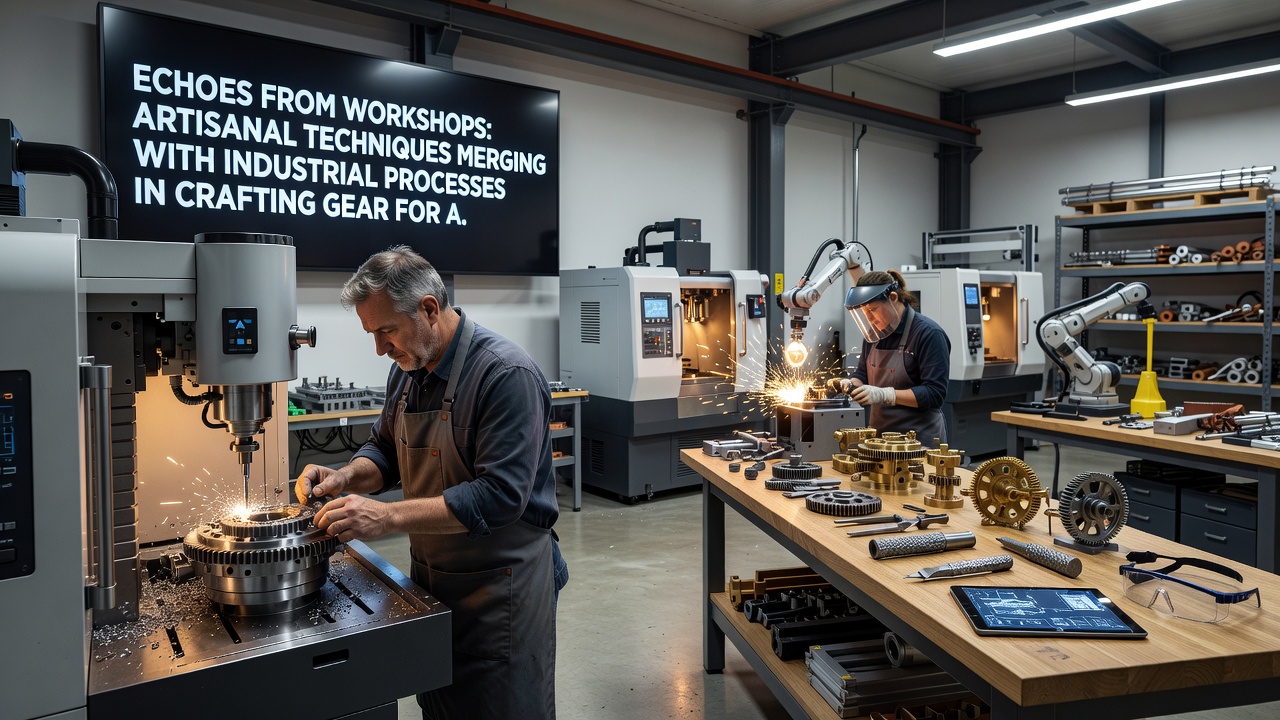
Facilities in northern Italy coordinate small teams of specialists who oversee both the hand-laminating of carbon fiber sections for ski poles and the automated curing ovens that follow, while Nordic plants apply identical principles to cross-country ski bindings. Aquatic manufacturers in Southeast Asia integrate hand-stitched reinforcement patches on dive suits after robotic cutters prepare the panels, and North American arena gear producers use parallel workflows for court shoe midsoles. Trade data released by the European Committee for Standardization in mid-2025 outlines how these regional approaches converge on shared tolerance specifications for flex and buoyancy characteristics across product categories.
Quality Verification at Hybrid Stations
Each batch moves through checkpoints where visual and tactile inspections occur alongside automated sensor readings for weight distribution and seam integrity. Alpine helmets receive manual padding insertion after foam liners exit molding machines, and swim goggles undergo hand-polishing of lens edges before ultrasonic cleaning systems complete the cycle. Court shoes for arena use pass through stations that check arch support placement by touch before robotic tread application. Figures released by the International Organization for Standardization confirm that products passing both human and machine verification stages show consistent compliance rates in field trials scheduled through July 2026.
Supply Chain Coordination
Raw neoprene, carbon pre-preg, and specialized rubbers arrive at centralized receiving areas where initial grading happens by eye and scale before inventory systems route materials to either hand-prep tables or direct machine feeds. This routing avoids bottlenecks that appear when either method operates in isolation, and logistics records from multiple facilities indicate that lead times shorten when artisanal oversight guides the initial sort. Arena ball covers, alpine pole shafts, and aquatic propulsion blades all benefit from this shared intake process that feeds downstream stations without requiring separate supplier streams.
Conclusion
Production records demonstrate that the continued presence of hand skills within automated environments supports consistent output across aquatic, alpine, and arena categories, with verification steps occurring at multiple points in the sequence rather than only at the end. Facilities that maintain these merged workflows continue to supply equipment meeting established performance benchmarks while adapting to material availability shifts tracked through 2025 and into the following year.