Equipment Design Variations in Response to Regional Climate Patterns Affecting Durability Across Outdoor Athletic Implements
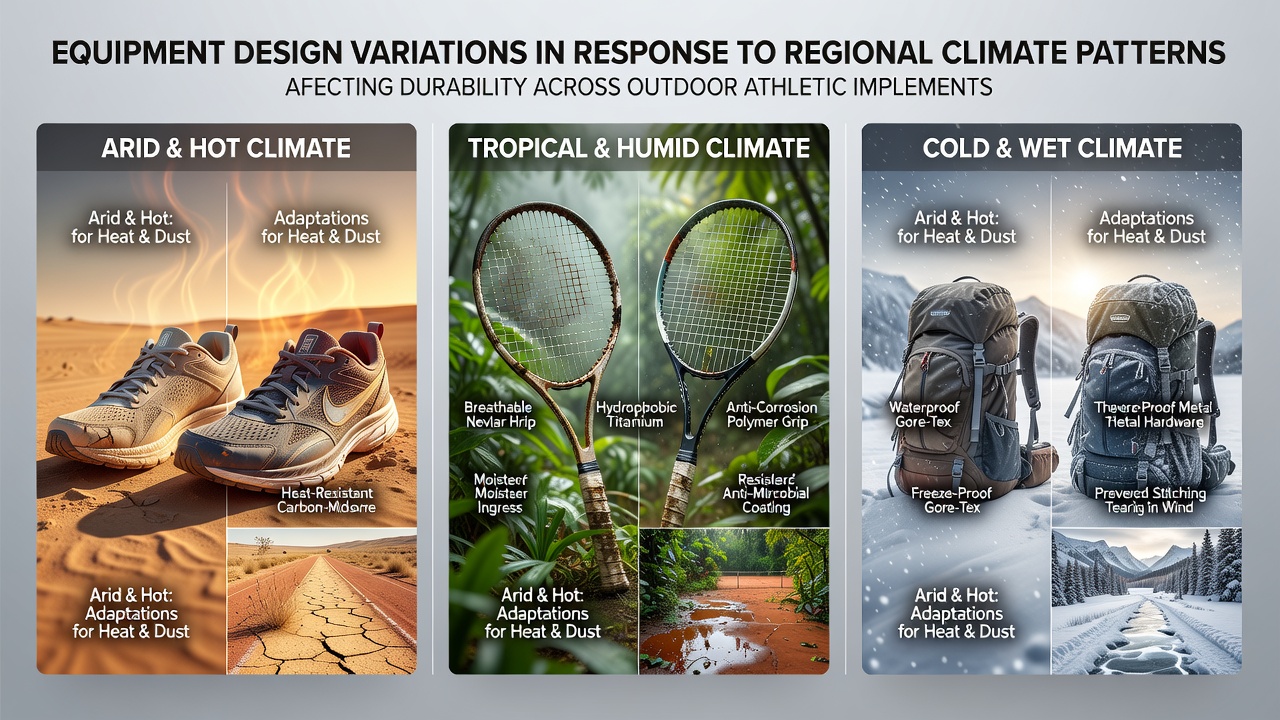
Regional climate patterns shape the materials and construction methods used in outdoor athletic implements, with manufacturers adjusting designs to address temperature extremes, humidity levels, ultraviolet exposure, and precipitation cycles that influence product lifespan. Data collected from testing facilities across multiple continents show that implements exposed to high heat and moisture degrade faster when standard materials are applied without climate-specific modifications, prompting shifts in polymer blends, surface coatings, and structural reinforcements.
Adaptations for Tropical and Subtropical Humidity
Equipment intended for regions with persistent high humidity and frequent rainfall incorporates moisture-resistant polymers and sealed seams to limit water absorption that leads to swelling or delamination. Studies conducted by research teams in Southeast Asia and northern Australia reveal that tennis balls and soccer balls manufactured with enhanced rubber compounds retain bounce characteristics 30 percent longer under repeated wet-dry cycles compared to conventional versions, while the addition of antimicrobial additives reduces mold formation on grips and covers. Footwear soles in these zones often feature drainage channels and quick-drying meshes that prevent the softening of adhesives, a factor documented in durability trials run by the Australian Institute of Sport.
Design Responses to Arid and High-UV Environments
In desert and high-altitude locations where ultraviolet radiation remains intense year-round, implement frames and covers receive specialized UV stabilizers and reflective pigments that slow surface cracking and color fading. Golf clubs and baseball bats produced for these markets employ carbon-fiber composites treated with nano-coatings, and data from field tests in the southwestern United States and parts of the Middle East indicate these treatments extend functional life by approximately two seasons before grip integrity declines. Protective padding in such equipment also uses heat-reflective liners that reduce internal temperatures during storage, limiting the expansion and contraction stresses that accelerate foam breakdown.
Modifications for Cold and Freeze-Thaw Cycles
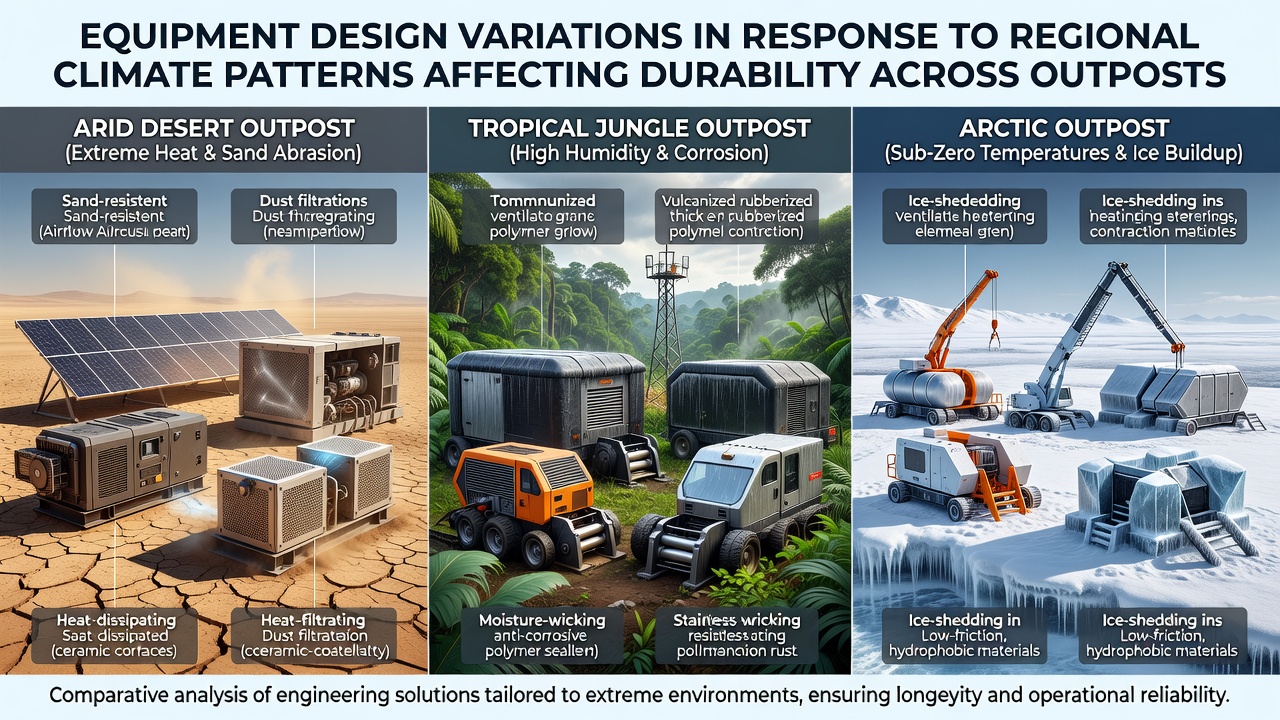
Cold-weather regions introduce repeated freeze-thaw cycles that cause micro-fractures in rigid materials, leading manufacturers to integrate flexible resins and insulated cores into items such as hockey sticks, ski poles, and court nets. Reports from Canadian testing programs note that composite shafts treated with low-temperature elastomers maintain flex ratings through more than 500 thermal cycles, whereas untreated versions show measurable stiffness loss after half that exposure. Balls designed for these climates include denser outer shells that resist compression changes when temperatures drop below freezing, preserving consistent performance characteristics during matches played on frozen or partially thawed surfaces.
Coastal Salt and Wind Exposure Considerations
Coastal zones combine salt-laden air with strong winds that accelerate corrosion and abrasion on metal components and fabric surfaces. Rackets and implements used near oceans frequently incorporate stainless-steel hardware and salt-resistant lacquers, while net and goalpost fabrics receive additional weave density to withstand sand blasting. Observations compiled by European sports laboratories along the Mediterranean and North Sea coasts demonstrate that these modifications reduce replacement frequency by measurable margins, particularly for items stored outdoors between events.
Integration of Climate Data into Production Standards
Industry standards organizations now incorporate regional climate datasets when certifying outdoor equipment batches, requiring accelerated weathering tests that simulate local temperature swings, rainfall patterns, and solar intensity. Figures released in August 2026 by material science groups tracking global supply chains show increased adoption of modular component systems that allow regional distributors to swap climate-specific parts without replacing entire implements. These systems rely on standardized attachment points developed through collaborative trials involving manufacturers in North America, Europe, and Oceania.
Conclusion
Equipment durability across outdoor athletic implements continues to depend on precise alignment between regional climate variables and material engineering choices, with ongoing research refining coatings, composites, and structural features to match documented environmental stresses. Implementation of these variations supports longer service intervals and consistent performance regardless of geographic location.