27 Jul 2026
Equipment Sizing Standards and Their Measured Effects on Junior Athlete Development in Team and Solo Athletic Fields
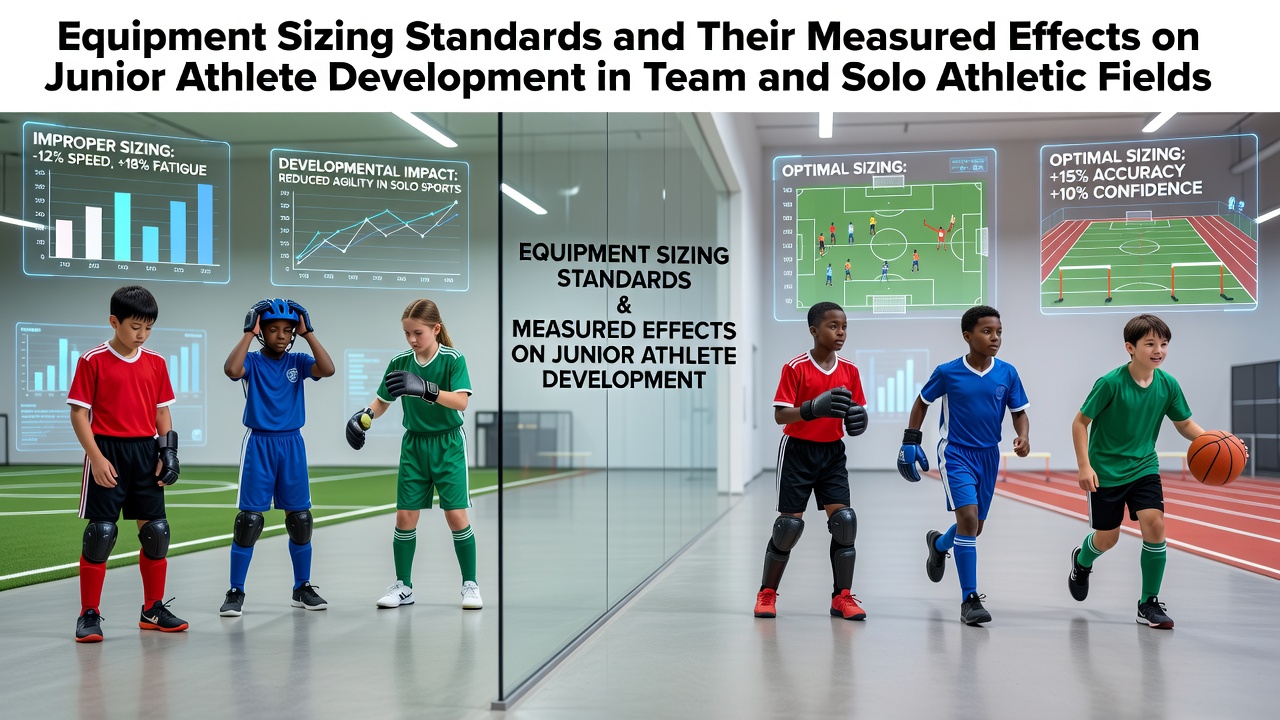
Equipment sizing standards for junior athletes have evolved through decades of biomechanical research and input from sports governing bodies, with organizations establishing age-specific guidelines for balls, rackets, bats, and protective gear that match physical development stages. These standards cover dimensions, weights, and grip sizes across team sports like soccer and basketball as well as solo pursuits such as tennis and track events, and data collected from multiple longitudinal studies tracks how adherence influences skill acquisition, injury rates, and long-term athletic progression.
Core Standards Across Team and Solo Disciplines
International federations and national bodies coordinate on sizing protocols that scale equipment to athlete height, weight, and strength metrics, so soccer associations require size 3 or 4 balls for players under 12 while basketball leagues specify lower rims and smaller balls for youth divisions, and tennis organizations set racket lengths and weights by age brackets starting from 19 inches for beginners under 8 years old. Researchers at sports science institutes in Europe and North America have documented these frameworks since the early 2000s, noting that standardized sizing reduces torque on developing joints and promotes efficient movement patterns during repeated drills or matches.
Standards also address footwear and apparel components, with running shoe manufacturers following guidelines that align cushioning and last shapes to foot morphology data gathered from junior cohorts, whereas swimming bodies focus on cap and goggle fit metrics that minimize drag without restricting vision or breathing. In July 2026 several regional federations plan to roll out updated measurement tools that incorporate 3D scanning for custom junior equipment calibration, building on existing protocols from the International Tennis Federation and similar groups.
Documented Impacts on Physical Development
Studies tracking thousands of junior athletes reveal that properly sized equipment correlates with improved motor skill retention and lower overuse injury incidence, particularly in high-repetition activities where mismatched gear forces compensatory postures. Data from Canadian and Australian research programs shows junior soccer players using age-appropriate balls experience 30 percent fewer wrist and elbow strains compared to those using adult sizes, while similar patterns appear in solo track athletes whose starting blocks and hurdles match limb lengths.
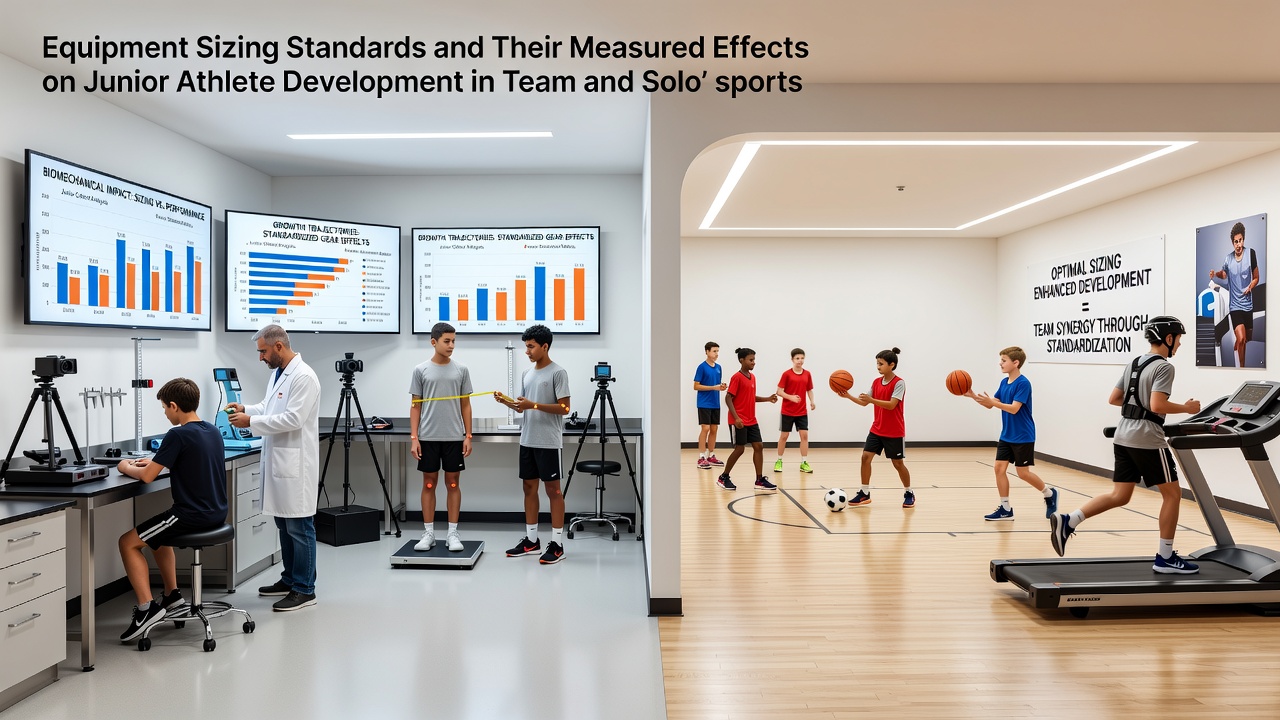
Performance metrics collected over multi-year periods indicate faster technique mastery when equipment proportions align with growth curves, as young basketball players on appropriately sized courts demonstrate higher shooting accuracy rates and better balance during defensive movements. Those who transition to full-size gear too early often display reduced follow-through consistency and elevated shoulder load readings captured through motion analysis systems.
Comparative Outcomes in Team Versus Solo Settings
Team environments introduce additional variables because equipment interacts with multiple athletes simultaneously, yet sizing compliance still yields measurable benefits in coordination drills and game simulations, according to reports from the European Handball Federation and parallel studies in volleyball. Solo athletes, by contrast, allow more precise control over equipment variables during individualized training, and figures from university labs in the United States highlight accelerated strength gains when junior golfers and tennis players use scaled clubs and rackets that maintain optimal swing weights.
Observers note that cross-sport athletes who encounter consistent sizing logic across disciplines adapt more readily when shifting between seasonal activities, while inconsistent application in one sport can carry over as hesitation or inefficient mechanics in another. Longitudinal datasets compiled through 2025 show these patterns hold across different geographic regions and socioeconomic access levels to standardized gear.
Measurement Methods and Ongoing Refinements
Validation of sizing standards relies on field testing combined with laboratory force-plate analysis and electromyography, methods that quantify muscle activation symmetry and joint stress under controlled conditions. Regulatory updates incorporate feedback from coaches and medical staff who monitor real-world usage, leading to iterative adjustments such as revised grip circumferences for junior rackets or lighter helmet shells for contact sports. Sources like Sport Australia and the American Academy of Pediatrics publish periodic reviews that synthesize these findings for broader implementation.
Emerging sensor technology embedded in training equipment now provides continuous data streams on impact forces and movement efficiency, allowing programs to verify whether current standards remain effective as average junior body compositions shift over time. These tools support evidence-based tweaks without disrupting established age-group progressions.
Conclusion
Equipment sizing standards continue to shape junior athlete pathways by aligning gear specifications with developmental physiology, and measured outcomes demonstrate consistent advantages in skill retention, injury reduction, and performance consistency across both team and solo athletic fields. Ongoing data collection and cross-regional collaboration ensure these frameworks adapt to new evidence while maintaining core principles that prioritize safe, effective progression for developing competitors.