20 Jun 2026
Exploring how fan-driven customization trends reshape component sourcing for basketball footwear and tennis accessories in global markets
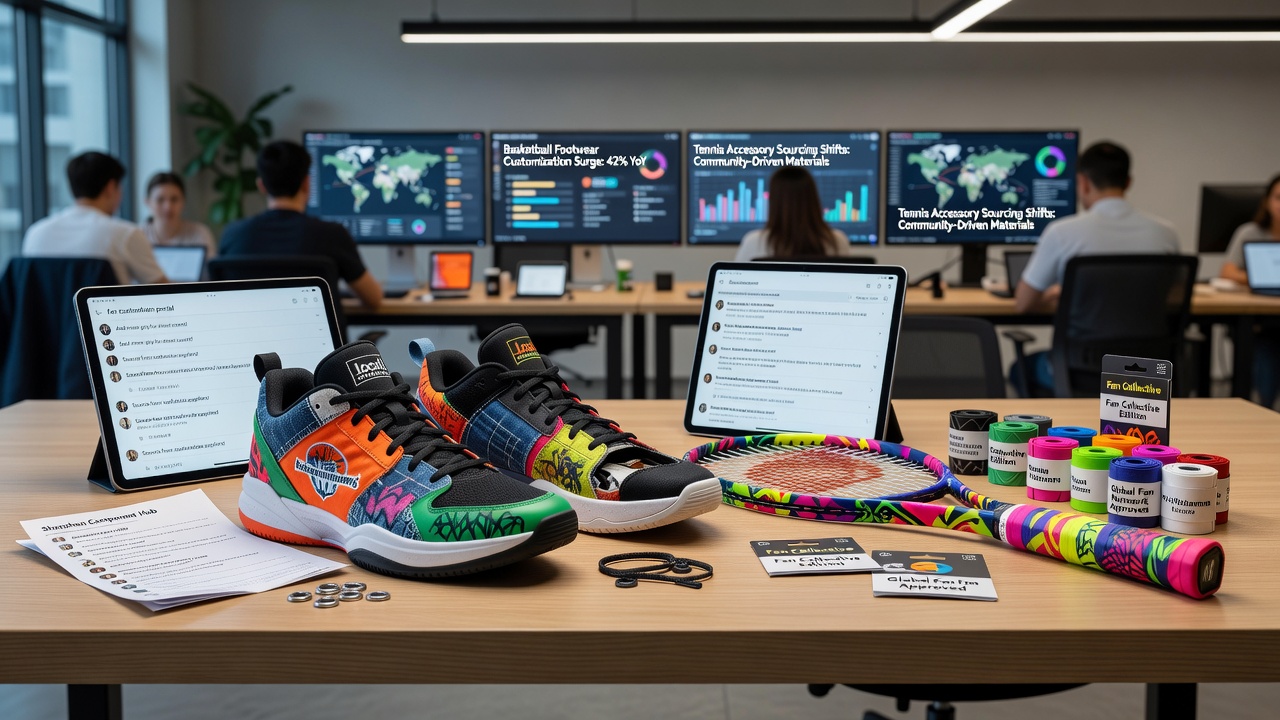
Consumer preferences for personalized basketball footwear and tennis accessories have driven manufacturers to adjust their sourcing strategies across multiple continents since the early 2020s, with notable acceleration observed through mid-2026. Platforms that allow users to select colors, materials, and functional add-ons generate specific demands for individual parts such as outsoles, uppers, and lacing systems in basketball shoes as well as replacement strings, overgrips, and vibration dampeners in tennis equipment.
Expansion of user-led design interfaces
Digital tools provided by major brands enable direct input from athletes and enthusiasts, which in turn influences the types of raw materials and subcomponents ordered from suppliers in Asia, Europe, and North America. Data compiled by industry analysts shows that orders for modular sole units rose by 28 percent between 2024 and 2025, reflecting repeated requests for interchangeable traction patterns suited to indoor courts versus outdoor surfaces. Similar patterns appear in tennis accessories where players request specific string gauges and tension ranges that require suppliers to maintain broader inventories of polyester and natural gut filaments.
Adjustments in procurement networks
Traditional bulk purchasing of standardized components has given way to smaller, more frequent shipments of varied parts because customization requests arrive in real time through mobile applications. This shift affects factories in Vietnam and Indonesia that previously produced uniform batches of basketball shoe midsoles but now receive specifications for regional colorways and performance additives requested by fans in North American and European markets. Tennis accessory producers in Taiwan have likewise expanded their stock of multi-filament strings after observing increased orders tied to social media challenges that highlight particular spin or durability features.
Regional sourcing variations
Supply routes for specialized foams and adhesives used in basketball footwear have lengthened in some cases as brands seek certified sustainable inputs demanded by customization users in Australia and Canada. Figures released by Statistics Canada indicate that imports of bio-based cushioning materials grew 19 percent in the first half of 2026 compared with the same period in 2025. Meanwhile, European suppliers of tennis grip materials have reported steadier demand for leather and synthetic composites because customization interfaces in the EU frequently emphasize moisture-absorption properties suited to longer matches. Australian government trade data further documents how component orders for racket accessories increasingly route through Singaporean logistics hubs before reaching assembly sites in China.
Component traceability requirements have tightened as a result, prompting sourcing teams to verify origin documentation for every batch of thermoplastic polyurethane used in shoe uppers and every spool of synthetic string destined for tennis rackets. These verifications add steps to procurement but also allow brands to fulfill region-specific customization options without maintaining excess finished inventory.
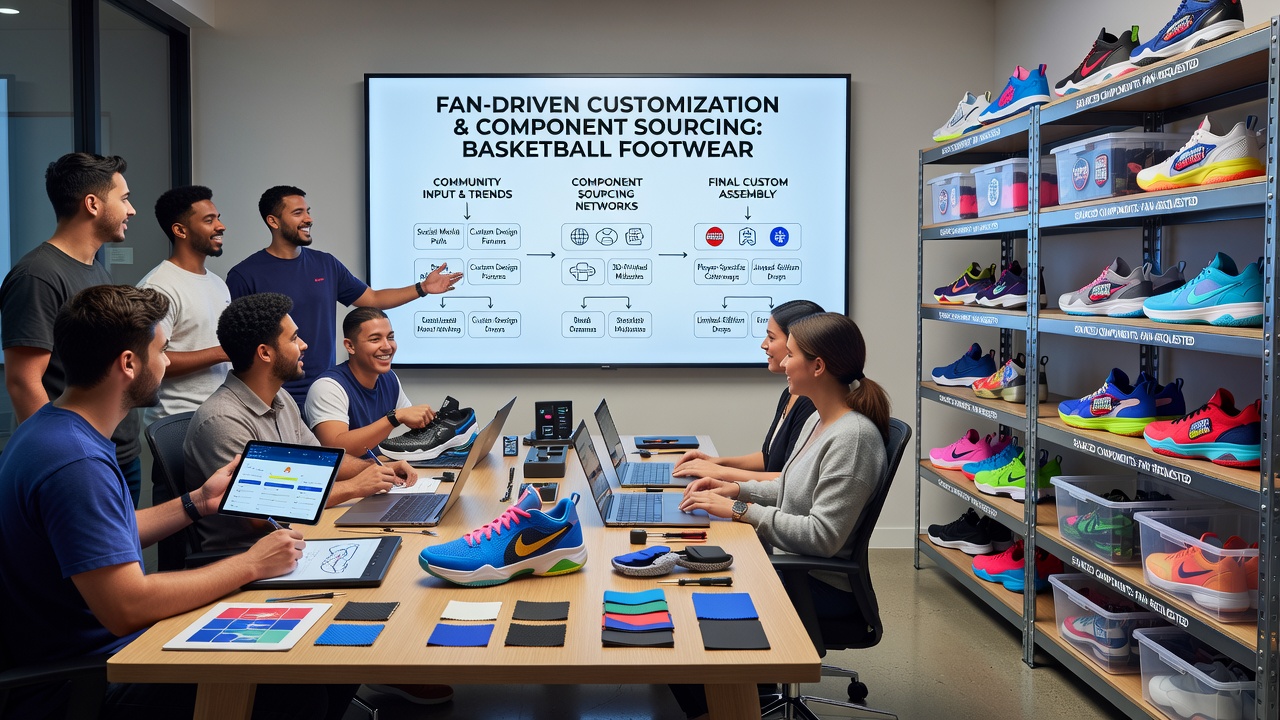
Impact on supplier specialization
Smaller manufacturers that once focused on single product lines now offer flexible production runs of discrete elements, such as detachable heel counters for basketball shoes or interchangeable butt caps for tennis rackets. Research conducted at the University of Manchester documents how these suppliers coordinate with digital platforms to receive weekly updates on trending customization choices, enabling them to adjust polymer blends and weaving patterns accordingly. The same study notes that lead times for custom string sets have shortened from six weeks to under three weeks in several East Asian facilities through closer integration with consumer-facing software.
Logistical and inventory responses
Distribution centers in the United States and Germany have adopted segmented warehousing practices that separate base components from finishing materials, allowing rapid assembly of fan-specified combinations before shipment. This approach reduces overall stock levels while meeting the variety of requests that arrive daily from online configurators. Observers tracking maritime freight records observe that container volumes carrying mixed lots of footwear components and accessory parts have increased steadily, with June 2026 manifests showing continued growth in such consolidated loads from ports in Shanghai and Ho Chi Minh City.
Conclusion
Customization interfaces continue to transmit detailed preference data that alters how basketball footwear and tennis accessories are sourced worldwide. Suppliers respond by diversifying material options and shortening production cycles, while logistics networks adapt to handle smaller, more varied shipments. These patterns, documented through government trade statistics and academic supply-chain analyses, illustrate ongoing structural changes in component procurement driven by direct consumer input rather than centralized design decisions.