18 Jul 2026
Maritime and Industrial Roots Behind Modern Grip Designs in Sports Equipment
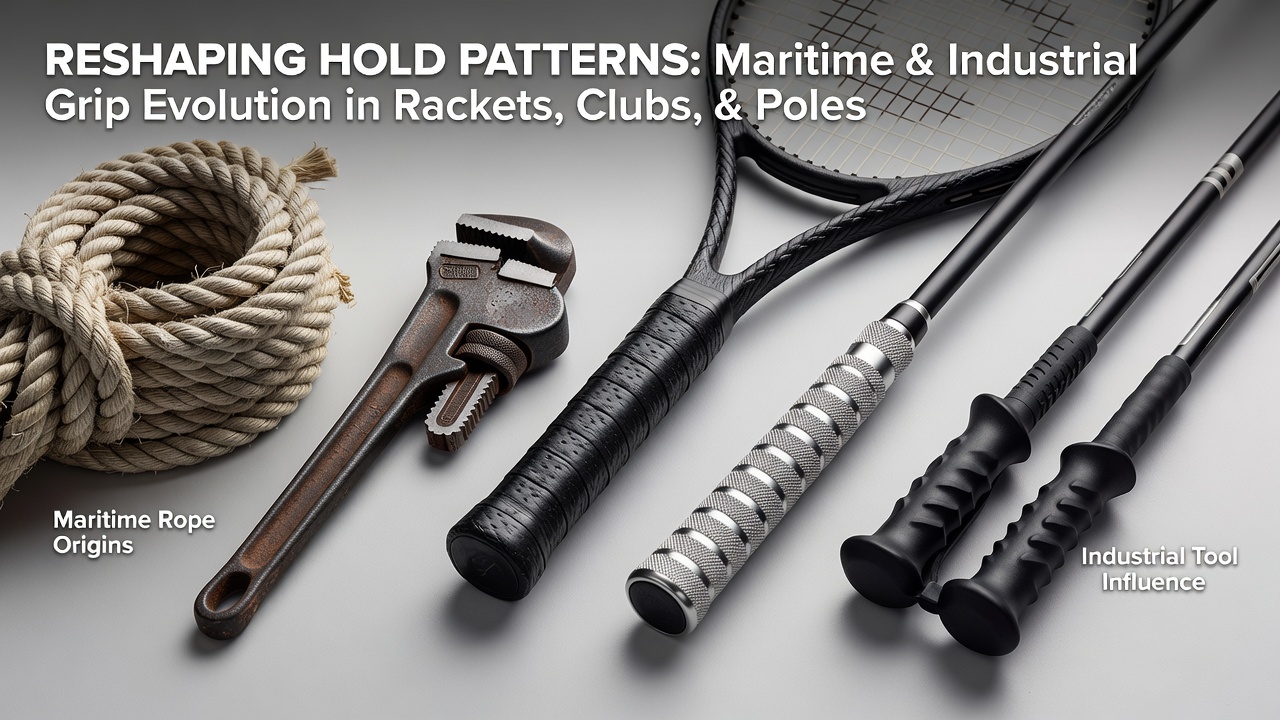
Equipment designers have drawn grip textures from maritime ropes and industrial tools for decades, and these borrowed patterns now appear across racket handles, club shafts, and ski poles where they alter how athletes maintain control during high-speed maneuvers. Early maritime ropes featured twisted fibers that created natural ridges, and these ridges delivered reliable hold even when surfaces became wet or slick from exposure to ocean conditions.
Tracing the Adoption of Rope-Inspired Patterns
Maritime applications emphasized durability under tension, and industrial tools later incorporated similar raised elements through knurling processes that increased surface friction on metal handles. Observers note that tennis racket manufacturers began experimenting with these elements in the mid-twentieth century when synthetic materials replaced traditional leather wraps, while golf club makers integrated helical wraps derived from rope constructions to reduce torque during swings. Ski pole handles followed a comparable path because alpine competitors required consistent grip across temperature shifts that could otherwise cause slippage.
Studies from materials laboratories show that diamond knurling patterns originally developed for lathe handles transferred directly to racket grips, and this transfer created micro-channels that channel moisture away from contact points. Data from equipment testing facilities indicates that such adaptations lowered slippage rates by measurable margins in controlled trials conducted across multiple sports disciplines.
Industrial Tool Influences on Shaft and Pole Designs
Factory machinery supplied another source when engineers examined how textured grips on wrenches and hammers prevented rotation under load. Those same principles reshaped club shafts by adding circumferential ridges that align with hand pressure points, and similar modifications appeared on ski poles where pole planting demands immediate stability. Researchers at technical institutes have mapped how these industrial textures distribute force more evenly across the palm, which reduces localized fatigue during extended sessions.
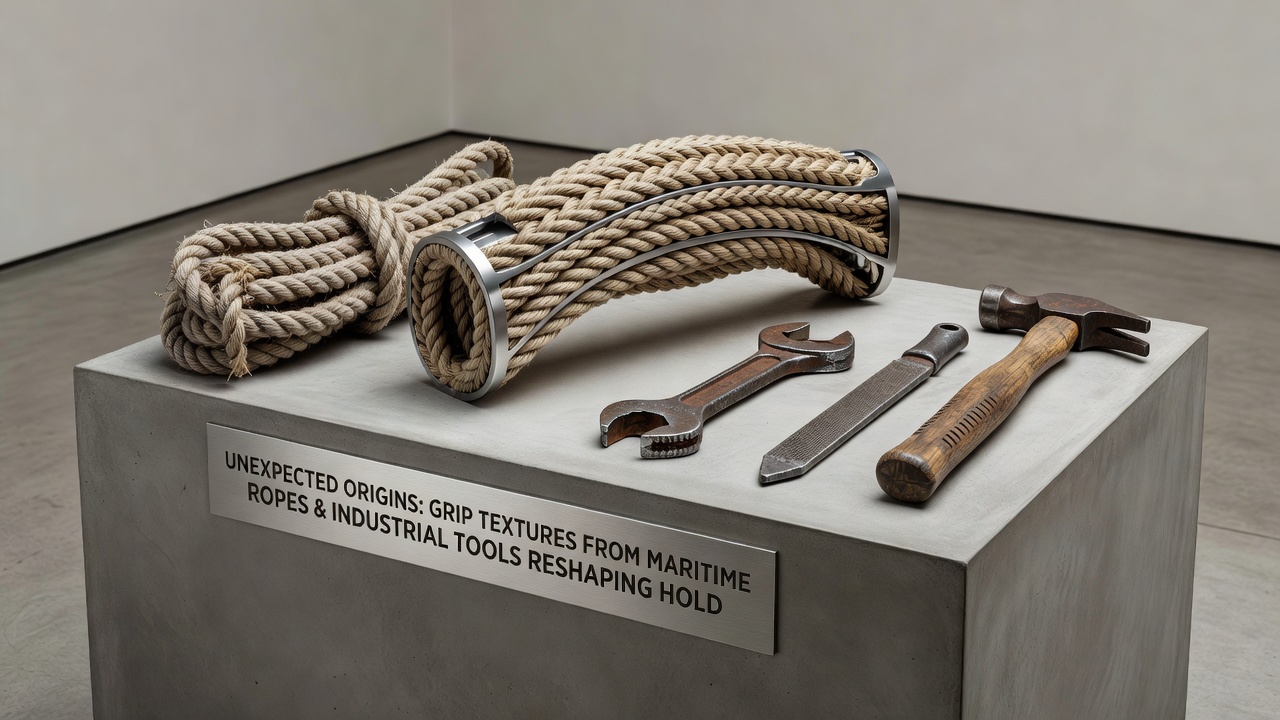
What's interesting is that composite materials now allow finer replication of these original textures, and this precision enables manufacturers to tune grip depth according to sport-specific requirements. In July 2026 a report issued by the International Sports Engineering Association documented how these refinements improved performance metrics in racket sports and winter disciplines alike, with particular attention paid to vibration dampening properties inherited from rope constructions.
Performance Data Across Equipment Categories
Figures from independent laboratories reveal that racket handles featuring rope-derived helical patterns maintain contact integrity through repeated impacts, whereas club shafts with industrial-style knurling show reduced rotation under off-center strikes. Ski poles benefit from combined approaches because their grips must accommodate both gloved and bare-hand use across varying snow conditions. Analysts tracking production trends note that standardization of these textures has accelerated since supply chains began sourcing specialized polymers from multiple global regions.
One case study conducted by a Canadian research group examined stress distribution in composite frames and found that borrowed grip elements redirected forces away from critical joint areas. This redirection extended equipment lifespan without requiring additional reinforcement layers. Observers tracking regulatory updates point out that certification bodies in the European Union and Australia now reference these cross-industry origins when establishing testing protocols for new handle designs.
Future Directions in Texture Refinement
Continued collaboration between maritime engineering firms and sports equipment producers promises further evolution, and emerging techniques allow textures to be embedded at the molecular level rather than applied as surface treatments. Such developments build directly on the foundational patterns that originated in ship rigging and factory tooling, and they continue to redefine how athletes interact with their implements across racket, club, and pole categories.
Conclusion
The integration of maritime rope textures and industrial tool knurling into athletic grips represents a clear transfer of established engineering solutions into new domains, and this transfer has produced measurable improvements in hold consistency and force management. Ongoing research continues to refine these patterns for specific environmental and performance demands while preserving the core principles that first proved effective at sea and on factory floors.