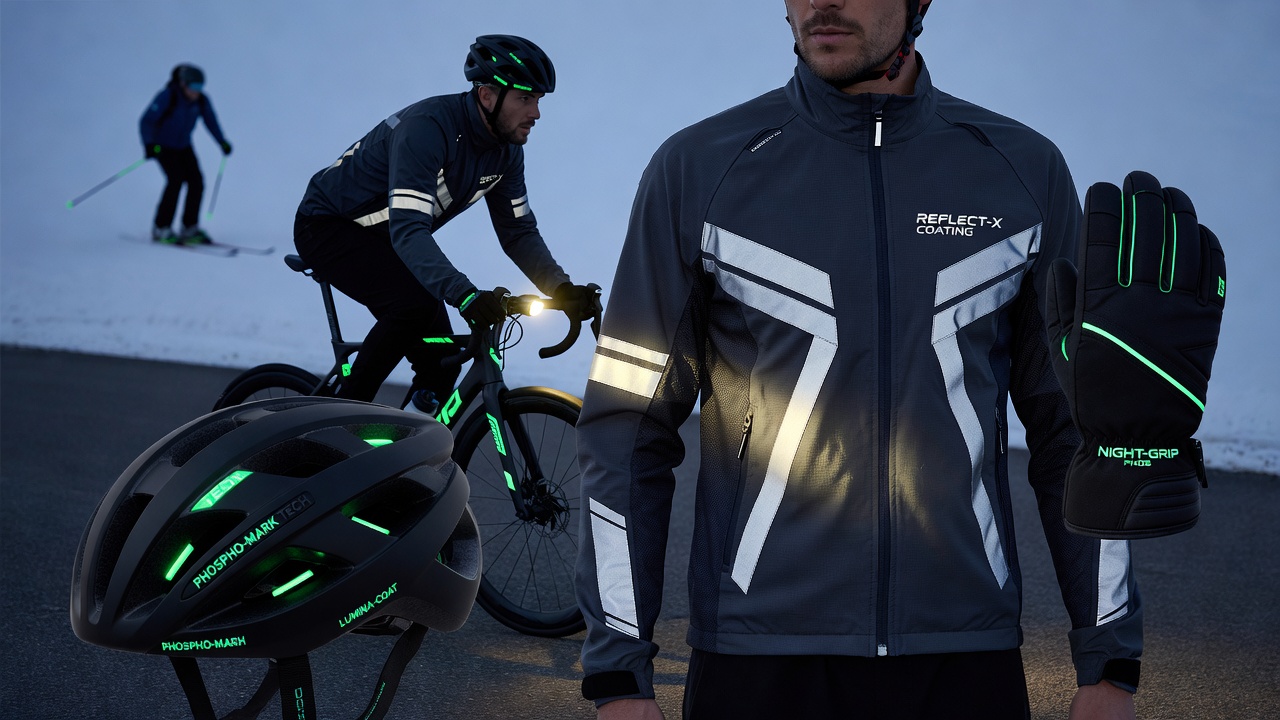
Reflective Coatings and Phosphorescent Markers in Athletic Gear for Low-Light Conditions
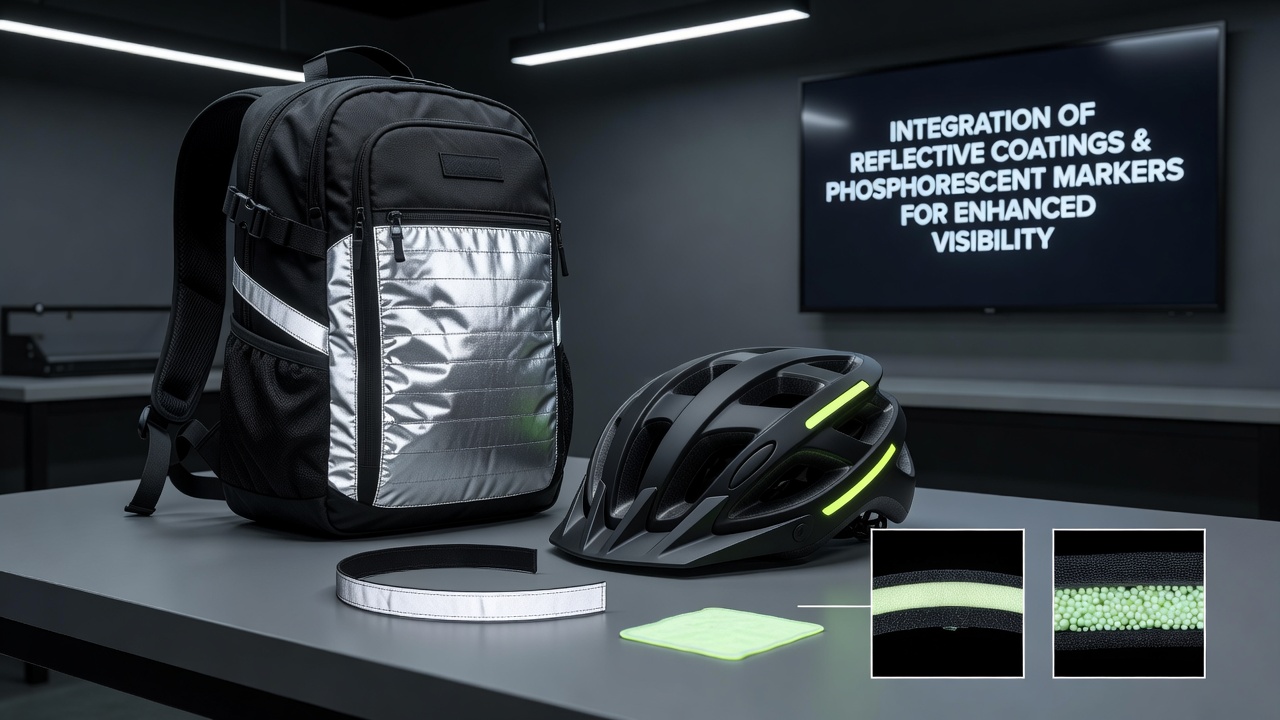
Reflective coatings function through retroreflection, a process where microscopic glass beads or prismatic structures bounce incident light directly back toward its source, while phosphorescent markers absorb ambient or artificial light during brighter periods and release it gradually as a visible glow in darkness. Manufacturers embed these elements directly into fabric weaves, helmet shells, frame tubing, and accessory straps so the components maintain structural integrity without adding significant weight or bulk. Data from multiple equipment tests show that such integrations increase detection distances for approaching vehicles by factors of three to five times compared wth untreated surfaces during dusk and nighttime hours.
Material Science Behind the Technologies
Retroreflective coatings rely on either enclosed-lens or exposed-lens bead systems bonded to substrates with durable resins that resist abrasion from repeated flexing and weather exposure. Phosphorescent compounds typically incorporate strontium aluminate crystals that provide afterglow durations ranging from several minutes to multiple hours depending on pigment concentration and excitation intensity. Researchers at the University of Toronto documented how combining both technologies on a single garment layer extends visibility windows because retroreflection handles active illumination from headlights while phosphorescence covers intervals between light sources.
Application in Running Equipment
Running shoes incorporate reflective piping along the midsole and heel counter, with phosphorescent markers molded into the outsole patterns that charge under streetlights and continue emitting for up to ninety minutes after the runner leaves illuminated areas. Vests and armbands use segmented reflective tape that conforms to body movement without restricting stride, while hydration packs feature printed phosphorescent logos on shoulder straps. Field measurements indicate these placements create consistent light return angles across a runner’s natural arm swing and leg cycle, maintaining visibility from multiple approach vectors.
Integration for Cycling Components
Cycling helmets receive reflective decals on the outer shell and internal ventilation ports, supplemented by phosphorescent inserts along the retention straps that glow steadily during extended evening rides. Frame tubes carry adhesive strips or factory-applied coatings on the down tube and seat stays, while wheel rims feature spoke-mounted markers that rotate and create moving light patterns detectable at greater distances. According to transport safety statistics compiled by the Australian Department of Infrastructure, Transport, Regional Development, Communications and the Arts, bicycles equipped with such combined systems show measurable reductions in nighttime incident rates in urban test corridors.
Use in Skiing and Winter Sports Gear
Ski jackets employ reflective zippers and shoulder panels alongside phosphorescent chest logos that remain visible during early-morning or late-afternoon resort sessions when natural light fades quickly. Poles carry reflective wraps near the grips and baskets, and helmet-mounted lights often pair with phosphorescent shell accents that provide passive backup illumination. Boot shells receive edge coatings that reflect headlamp beams from other skiers on shared trails, while glove backs feature segmented tape that follows wrist flexion without cracking in subzero temperatures.
Manufacturing and Attachment Methods
Production processes include screen printing of reflective inks directly onto textiles, ultrasonic welding of prismatic films onto hard shells, and injection molding of phosphorescent pigments into plastic components during initial forming. These methods ensure the markers survive repeated wash cycles, temperature swings, and mechanical stress without delamination. Quality checks involve standardized photometry rigs that measure coefficient of retroreflection at multiple entrance and observation angles to verify compliance with performance thresholds established by international standards bodies.
Testing Protocols and Visibility Standards
Laboratory protocols expose treated samples to controlled light sources then measure returned luminance under simulated headlight conditions at distances from 50 to 300 meters. Field trials on closed courses and public paths track detection times by instrumented vehicles approaching at typical sport speeds. Results feed iterative design adjustments such as optimal marker placement height and surface area to maximize contrast against background environments like snow, pavement, or foliage.
Conclusion
Reflective coatings and phosphorescent markers have become standard features across running, cycling, and skiing equipment because they integrate at the component level while preserving performance characteristics. Continued refinement of pigment durability and application techniques supports consistent visibility gains across varied low-light environments, with ongoing data collection guiding further placement optimizations for each sport’s movement patterns.