30 May 2026
The Overlooked Role of Environmental Testing Chambers in Validating Equipment Resilience for Outdoor and Indoor Athletic Events
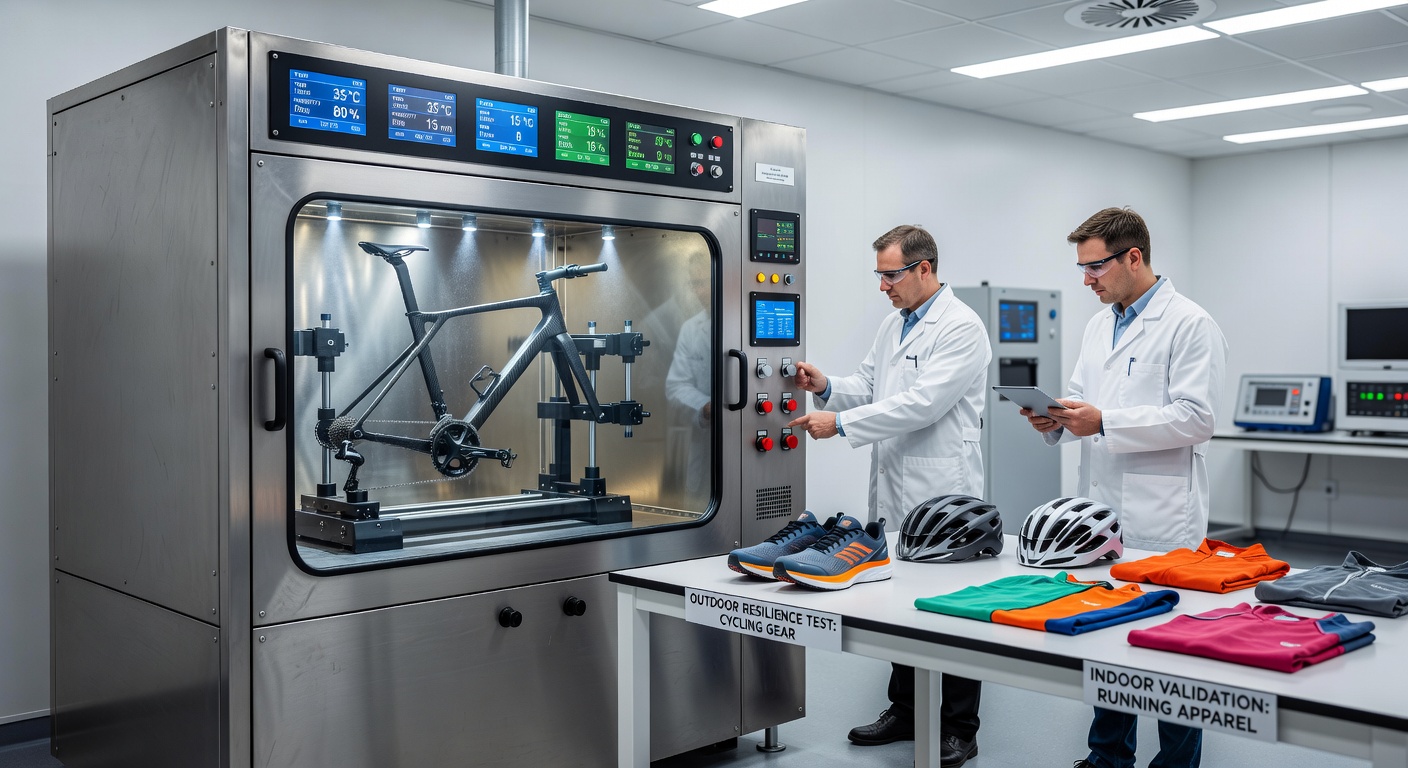
Environmental testing chambers simulate conditions that range from scorching heat and freezing temperatures to high humidity and intense UV exposure, and these facilities play a central part in confirming that athletic gear maintains performance across varied settings. Manufacturers subject items such as soccer balls, running shoes, and protective padding to controlled cycles inside these chambers before products reach fields, tracks, or courts. Data collected during these processes reveals how materials respond to repeated stress, which helps engineers adjust designs so that equipment meets durability benchmarks established by organizations like ASTM International.
Core Functions of Environmental Testing Chambers in Sports Equipment Validation
Chambers replicate real-world variables through programmable controls that adjust temperature from minus 40 degrees Celsius to over 80 degrees Celsius, while humidity levels swing between 10 and 95 percent and vibration tables mimic transport or impact forces. Engineers place prototypes inside sealed compartments where sensors track changes in weight, flexibility, and structural integrity after each exposure phase. Research indicates that such systematic testing identifies weak points in composites and polymers long before athletes encounter failures during competition, and studies from materials laboratories show measurable improvements in product lifespan when chamber-derived modifications are applied.
Outdoor athletic events expose gear to unpredictable elements that include sudden rain, prolonged sunlight, and wind-driven dust, so validation protocols incorporate accelerated weathering sequences that compress months of exposure into days or weeks. Indoor venues present different challenges such as consistent air conditioning that dries out certain leathers or synthetic surfaces, along with lighting systems that emit specific wavelengths capable of degrading colors and coatings over time. Observers note that testing protocols now differentiate between these environments by running separate cycles tailored to venue type, which allows suppliers to certify equipment for both open-air stadiums and enclosed arenas within the same production run.
Application to Outdoor Athletic Events and Equipment Types
Equipment destined for outdoor use undergoes sequences that alternate between extreme heat and cold while moisture is introduced at varying rates to simulate storms or dew accumulation. Soccer balls inflated to standard pressures retain their roundness and seam integrity after multi-day UV and thermal cycling, whereas running shoe midsoles composed of EVA foam demonstrate compression set values that stay within acceptable limits only when formulations have been refined through prior chamber work. Those who've studied these patterns know that grip compounds on court shoes also receive salt fog and abrasion treatments to verify traction under wet conditions typical of early morning or post-rain play.
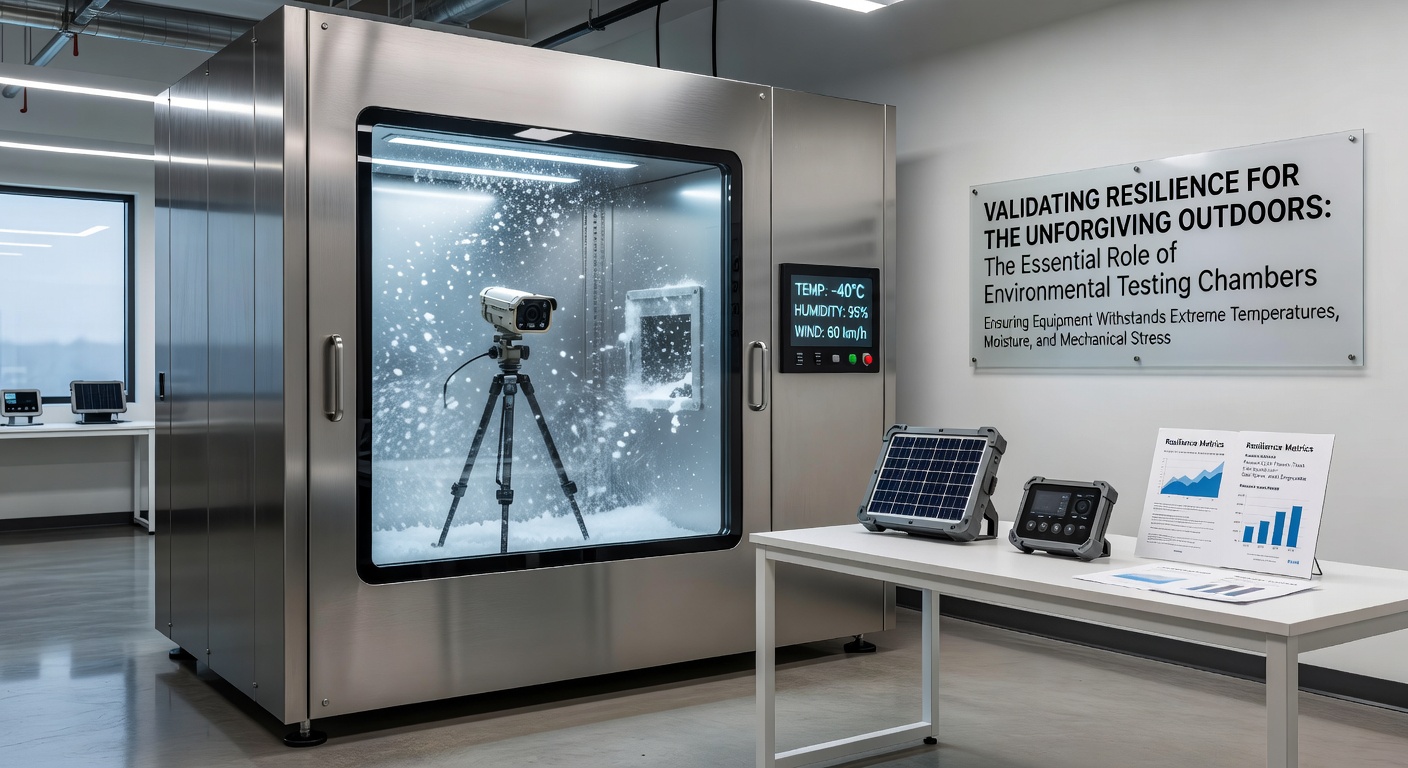
Protective items such as helmets and padding face additional vibration and drop tests combined with temperature swings because concussive forces interact with material brittleness that increases at lower temperatures. Figures from industry reports reveal that failure rates drop significantly when components pass through integrated environmental and mechanical stress protocols rather than isolated mechanical checks alone. With updated standards scheduled for implementation in May 2026 by the European Committee for Standardization, manufacturers will need to document chamber test results covering an expanded range of humidity and solar radiation parameters for all outdoor-certified products.
Indoor Venue Considerations and Cross-Environment Certification
Indoor athletic events still require validation because controlled climates create steady-state conditions that accelerate certain degradation modes, including adhesive breakdown in laminated racket frames or shrinkage in natural gut strings. Chambers allow technicians to hold temperature at 22 degrees Celsius with 40 percent relative humidity for extended periods while introducing intermittent UV bursts that replicate arena lighting spectra. Data shows that basketballs and volleyballs tested under these parameters maintain consistent rebound coefficients and surface friction values throughout multi-hour matches, and similar procedures applied to court flooring adhesives confirm bond strength under repeated thermal expansion cycles caused by lighting rigs and HVAC systems.
Shared components across indoor and outdoor lines benefit from unified testing matrices that run parallel sequences, which reduces development time while ensuring consistent performance regardless of venue. Researchers at institutions such as the National Institute of Standards and Technology have documented how hybrid protocols that combine outdoor weathering with indoor climate holds produce more reliable predictions of service life than single-environment approaches. Equipment that passes both sets of criteria receives dual certification labels that event organizers now reference when approving gear for mixed-schedule tournaments.
Conclusion
Environmental testing chambers therefore serve as an essential yet often unseen checkpoint that confirms athletic equipment can withstand the full spectrum of conditions encountered in both outdoor and indoor settings. Through documented cycles of temperature, humidity, UV, and mechanical stress, these facilities generate data that guides material selection and construction methods, and upcoming regulatory updates effective in May 2026 will further formalize their role in certification workflows. Continued refinement of chamber protocols supports consistent equipment behavior across diverse athletic events while minimizing unexpected failures during competition.