
Tracing Textile Heritage in Netting and Strapping for Volleyball, Tennis, and Combat Gear
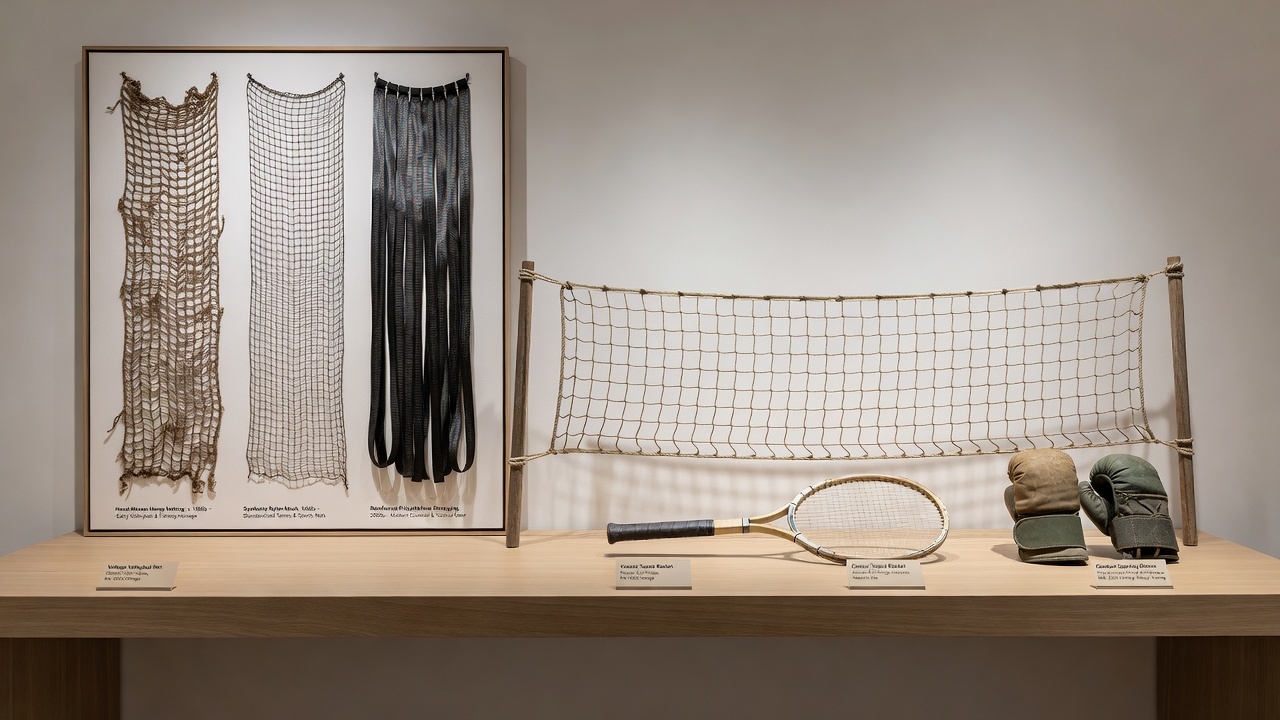
Textile traditions in sports equipment trace back through centuries of weaving adn knotting techniques that once supported fishing nets and agricultural tools before finding their way into athletic gear. Volleyball nets, tennis racket strings, and combat strapping all draw from these shared roots in natural fibers such as cotton, hemp, and flax that provided initial strength and flexibility. Manufacturers adapted these materials as rules and performance demands evolved across each discipline.
Origins in Traditional Netting Practices
Early netting relied on hand-knotted constructions passed down through maritime communities where durability under tension mattered most. Volleyball emerged in the late 19th century with nets fashioned from cotton or manila hemp that mirrored those used in cargo handling and fishing operations. These natural fibers offered reliable mesh structures yet required frequent replacement because moisture and repeated impacts caused rapid degradation. Observers note that similar knot patterns appear in historical records of tennis court boundaries where nets divided playing areas before the widespread adoption of synthetic alternatives.
Evolution in Volleyball Netting
Volleyball governing bodies standardized net dimensions and material specifications during the mid-20th century as the sport spread internationally. Data from equipment manufacturers shows the shift toward polyethylene and nylon meshes beginning in the 1960s because these synthetics resisted rot and maintained tension across longer match durations. The transition preserved traditional knotting layouts while replacing organic threads with polymer filaments that delivered consistent bounce and reduced maintenance intervals. Research indicates that modern volleyball nets incorporate UV stabilizers to withstand outdoor exposure during events held through summer schedules including those planned for August 2026.
Tennis Strings and Netting Adaptations
Tennis equipment followed a parallel path where natural gut strings derived from animal intestines gave way to multifilament nylon and polyester constructions by the 1980s. Netting for tennis courts also transitioned from hemp ropes to braided polyethylene lines that withstand high-velocity ball strikes without fraying. Those who study material performance record that strapping elements in racket frames often combine carbon composites with textile reinforcements originally developed for load-bearing applications in other industries. Figures from industry reports reveal that string tension retention improved markedly after manufacturers introduced polyester blends that resist elongation under repeated impacts.
Strapping Traditions in Combat Gear
Combat sports such as boxing and mixed martial arts maintain direct links to textile heritage through hand wraps and glove strapping that secure joints during strikes. Cotton bandages served as the baseline material for decades because their breathable weave allowed sweat evaporation while providing compression. Later developments introduced elasticized synthetics and reinforced seams that distribute force more evenly across knuckles and wrists. According to studies from the European Committee for Standardization, layered textile constructions in modern wraps reduce peak pressure points compared with earlier single-fiber versions. Equipment suppliers continue to blend heritage knotting methods with polymer threads to balance flexibility and support.
Cross-Sport Material Exchanges
Shared manufacturing techniques appear across these categories because netting and strapping share mechanical requirements for tensile strength and knot security. Volleyball net producers often supply braided cords used in tennis net tops while combat wrap fabricators apply similar loom settings to create consistent widths. A report from the Canadian Standards Association highlights how testing protocols for abrasion resistance now apply uniformly to materials destined for court nets and protective strapping alike. This convergence stems from practical needs rather than isolated innovation in any single sport.
Current Production and Standards
Global supply chains source polymer yarns from multiple regions while preserving specific weave densities that echo historical patterns. August 2026 events will feature equipment meeting updated durability benchmarks that emphasize recycled content alongside performance metrics. Certification processes require documentation of fiber origin and tensile testing results before approval for sanctioned competitions. Observers note that these requirements build directly upon textile testing methods refined over decades in both recreational and professional contexts.
Conclusion
Textile heritage continues to shape netting and strapping across volleyball, tennis, and combat gear through incremental material substitutions that retain core structural principles. Natural fiber techniques provided the foundation while synthetic replacements extended service life and consistency. Equipment standards reflect accumulated knowledge from multiple athletic domains rather than isolated developments. Ongoing refinements maintain these connections as production methods adapt to new performance and regulatory expectations.